
RECENT SEARCHES
Recently Viewed
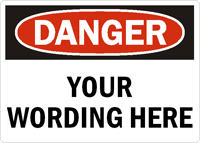
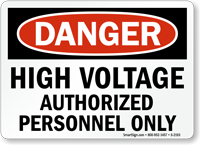
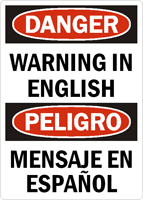
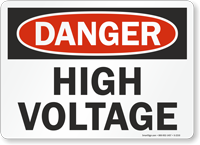
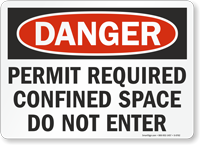
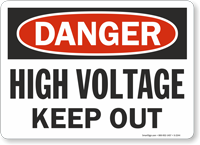
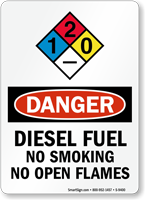
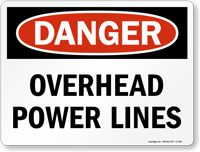
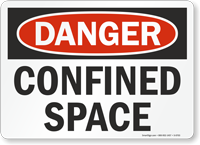
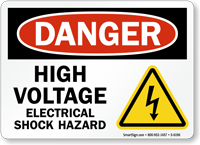
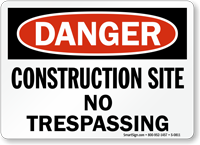
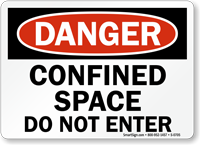
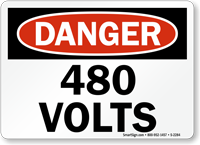
The difference between danger, warning, and caution signs is the severity of the hazard, set by ANSI Z535. A Danger sign is red and marks an imminent hazard that will cause death or serious injury. A Warning sign is orange and marks a hazard that could cause death or serious injury. A Caution sign is yellow and marks a hazard that could cause minor or moderate injury. Danger is reserved for the most extreme situations.
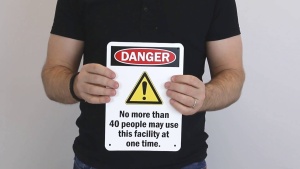
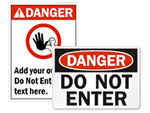
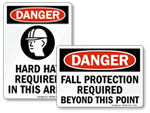
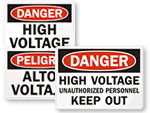
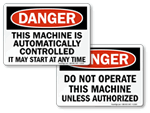
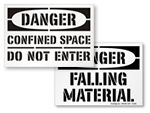
A danger sign uses a red header panel with the word DANGER in white, next to the safety-alert symbol, which is a triangle with an exclamation point, and the hazard message below. Red is the OSHA and ANSI color for danger and stop. This is the ANSI Z535.2 format that OSHA 1910.145 recognizes, so our OSHA danger signs read as an official, top-level warning.
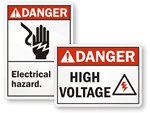
Both warn of serious hazards and both use the red danger header, and OSHA recognizes the ANSI Z535 format. The difference is layout. An ANSI danger sign adds the safety-alert symbol and a hazard pictogram alongside the message, while a traditional OSHA danger sign focuses on the red header and a clear text message. Both are compliant, so choose the style your facility standardizes on.
The safety-alert symbol (a triangle with an exclamation point) marks it as a safety message, and a hazard pictogram shows the specific danger, for example an electric-shock bolt or a corrosive symbol. These are different from GHS pictograms, which are the red-bordered diamonds required on chemical containers. A danger sign marks the area, while GHS labels mark the container.
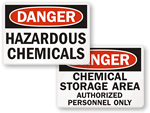
Use chemical danger signs for the storage room, plus flammable and No Smoking, No Open Flames signs where ignition is a risk. Pair the area signs with the GHS labeling on the containers so both the room and the chemicals are identified.
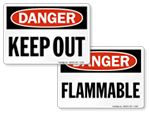
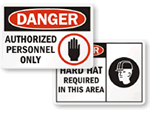
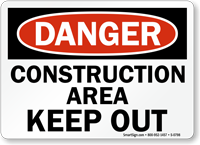
For a jobsite, use reflective aluminum danger signs that read from a distance and hold up outdoors. Common ones are Construction Area Keep Out, Authorized Personnel Only, and No Trespassing, which meet OSHA 1926.200 for construction signage. Pair them with the site's construction and PPE signs.
Post the sign at eye level, in a well-lit and unobstructed spot. Put it on or right beside the hazard for equipment, and at the entrance for a hazardous area. Because a danger sign marks a potentially fatal hazard, size and reflectivity should guarantee it is readable in time to stop.
Rigid plastic is the economical material choice for indoor danger signs. Aluminum is far more durable, and reflective aluminum resists abrasion, chemicals, and fading while reading under headlights or a flashlight for years. For a temporary or movable posting, choose a stand-up floor sign or an EasyStake sign, and glow vinyl keeps the warning legible in the dark.
Yes. Start from a custom danger template in OSHA or ANSI format, add your own text and pictogram, and pick the size and material. Bilingual English and Spanish versions reach every worker. For a facility-wide set of danger signs and labels, call our team at (800) 952-1457 (Mon – Fri, 8:00am to 7:00pm EST) or email customerservice@smartsign.com for a quote.
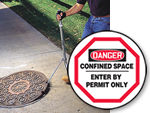
We make danger signs. Danger is the highest of the three ANSI Z535 alert levels. The bold red headers and safety-alert symbol make a danger sign impossible to ignore, so people keep clear of high voltage, confined spaces, chemical storage, and moving machinery. Choose from thousands of stock messages plus custom, bilingual, and glow options as rigid signs, labels, or portable formats.
Call our sales team at (800) 952-1457 and get your quote in minutes!
Mon - Fri 8:00am to 7:00pm EST
Best price guarantee. Fast, free shipping.